
Whoa! My first thought when I started juggling chains was: why is this still so clunky? I remember fumbling with desktop bridges and gas fee calculators—ugh—while waiting at a coffee shop. That memory stuck. It made me skeptical, then curious, and finally a bit obsessive about finding a mobile wallet that actually respects both security and UX without forcing you to be a full-time chain engineer.
Here’s the thing. Mobile matters. People carry their lives—and now their keys—in their pockets. So a wallet that supports multichain operations, cross-chain transactions, and NFTs natively is not a luxury. It’s essential. But not all wallets are built the same; some trade user-friendliness for centralized convenience, which bugs me. I’m biased, sure, but I’ve kept cold-storage habits for years and still use mobile daily. Initially I thought mobile-first = compromise, but then I saw how some apps handle private key custody, RPC selection, and transaction batching—actually, wait—let me rephrase that: good mobile wallets can and do offer serious security without crippling convenience.
Shortcuts often hide risk. Seriously? Yeah. My instinct said that if a wallet auto-approves unfamiliar contracts or hides gas details, it’s telling you somethin’ important about the team’s priorities. On the other hand, too many security prompts ruin the UX for users who just want to move tokens or list an NFT quickly. So what’s a sane middle ground? Well, honest feedback and layered protections—UX that guides without patronizing. On one hand you want clarity; on the other, you need speed. Though actually, nuance matters: different users will tolerate different tradeoffs.
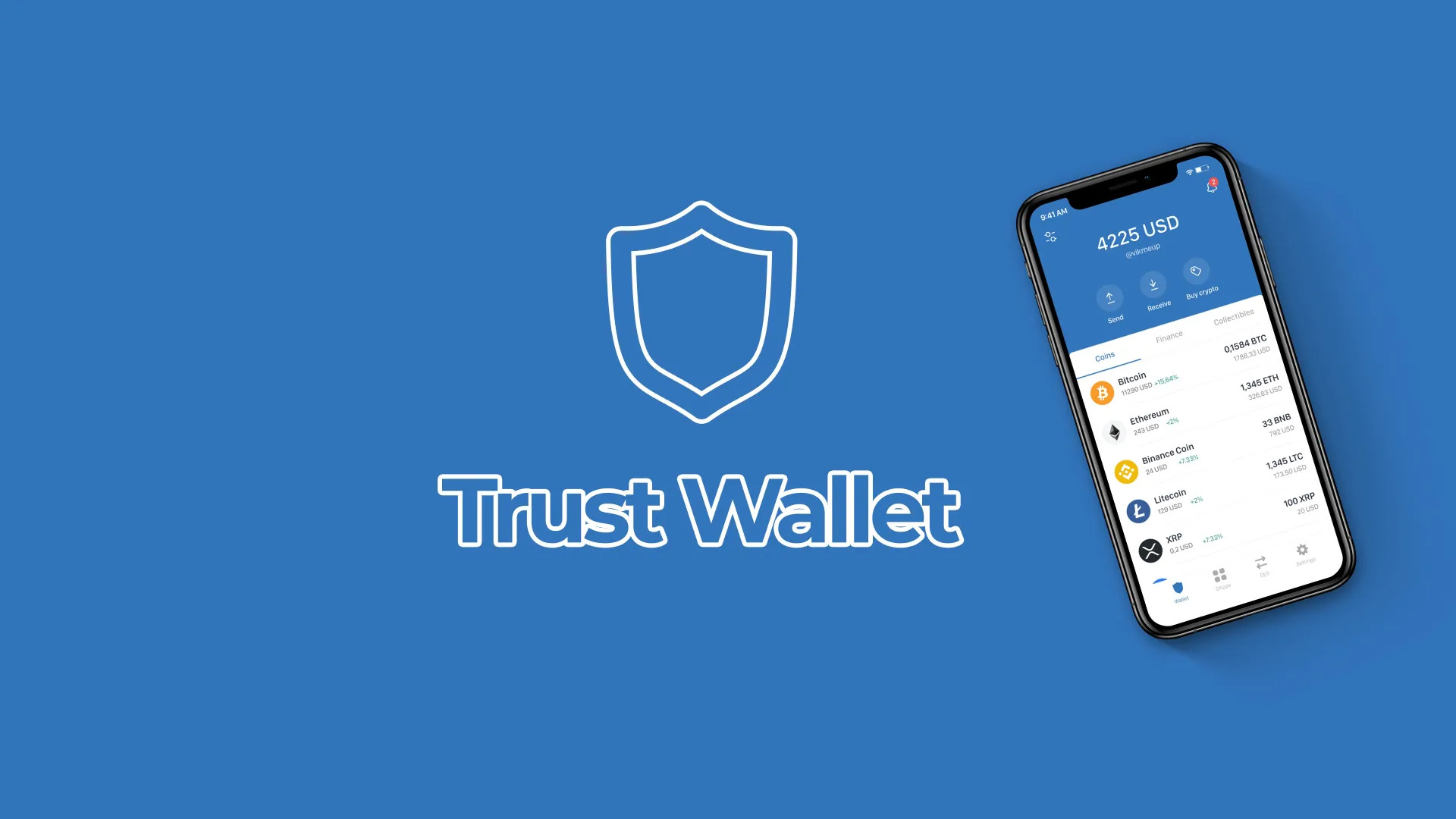
What to look for in a mobile multichain wallet
Okay, so check this out—there are four practical pillars I evaluate every time. First: true private key control. Second: secure cross-chain tooling. Third: NFT handling that respects metadata and royalties. Fourth: sane network defaults plus manual overrides for advanced users. Each pillar has obvious sub-choices, and you should pick a wallet that makes those tradeoffs visible, not hidden. I’m not 100% sure about one-size-fits-all here, and that’s fine; choose what matches your threat model.
Private key control doesn’t have to be painful. You can use a seed phrase, hardware keystore integration, or a secure enclave on-device (with careful backup options). My instinct said hardware was the only way, but then I tested wallets that pair well with hardware keys via Bluetooth and realized mobile can be secure and convenient. Initially I thought Bluetooth was too risky—on paper it looks flaky—but with session pairing and user confirmation flows it’s workable. However, if you value maximum security, keep a hardware-backed approach for high-value holdings.
Cross-chain transactions are where things get messy. Bridges are essential, but they introduce smart contract risk and liquidity problems. Some wallets implement cross-chain swaps using aggregators and wrapped assets, while others use step-by-step bridge flows that let you see each hop. Both have pros and cons. My gut says transparency wins: show the user the path, fees, and slippage options. Also, allow manual RPC endpoints so power users can point to cheaper or more reliable nodes—oh, and give warnings when a chosen RPC is untrusted.
NFT support is often an afterthought, yet it’s critical for creators and collectors alike. A good wallet will render on-chain metadata properly, verify image/video content sources, and let you manage approvals per-collection rather than per-contract. That per-collection permission UI? Lifesaver. I’ve seen wallets that prompt for blanket approvals (very very dangerous), so look for granular controls. Also, make sure the wallet caches media securely and doesn’t leak private browsing info or IP metadata when viewing assets—small privacy bits add up.
Cross-chain: practical safety tips
Hmm… here’s a practical checklist from actual usage. One: always review the contract you’re interacting with, especially for bridges. Two: beware of single-hop vs multi-hop bridges; more hops usually mean more attack surface. Three: set slippage and deadline limits conservatively. Four: prefer bridges or aggregators with public audits and ongoing bug-bounty programs. These are simple rules, but in the heat of a mint or a market move people skip them. Don’t be that person. (oh, and by the way…) keep a small test amount when trying a new bridge.
Systems thinking helps here. Initially I tried to trust reputation alone; then I realized audits can be outdated and bug bounties can be limited. So I shifted to a layered approach: combine reputational assessment with code review summaries when possible, on-chain behavior checks, and community chatter—yes, on-chain telemetry matters. Actually, community signal can be noisy but it’s useful for spotting fresh exploits before official statements arrive. Use it as one input, not the single source of truth.
Bridges and wrapped assets create UX challenges too. For example, token names and decimals can differ across chains; a wallet that normalizes and flags mismatches helps prevent costly mistakes. Also, intuitive recovery flows are underrated: imagine you’ve received wrapped tokens and your mobile wallet expects native ones—some wallets will show an option to “unwrap” or “bridge back” cleanly, others will leave you stuck. Design matters here; trust but verify.
Why on-device UX matters for NFT collectors
NFTs bring different needs than fungible tokens. You want reliable media previews, provenance details, creator royalties visibility, and safe transfer flows. A weak mobile NFT UI leads to accidental mints or approvals. I’m biased toward wallets that show creator verifications and link to on-chain metadata; those little badges matter during fast drops. For collectors, managing approvals per collection reduces blast radius when a malicious marketplace tries to drain assets.
Also—this part bugs me—the market for fake wallets or phishing clones is real. Mobile users are susceptible to fake apps on third-party stores or phishing overlays. Two-factor app-based confirmations, transaction signing previews, and hardware confirmation prompts reduce risk. If a wallet supports WebAuthn or native secure-enclave signing, that’s a plus. But remember: advanced tech doesn’t substitute for clear user education in-app; show what each permission does in plain language.
One wallet I tested recently had an excellent “approve-checklist” before signing contract interactions; another had cute animations but auto-approved complex calls behind the scenes. Guess which one I trust more? Yep—look past flash and read the flow.
Common questions from real users
Can I manage NFTs and tokens across multiple chains in one wallet?
Yes, many modern wallets let you view assets from several chains and handle cross-chain swaps, but the depth of support varies. Some wallets surface basic balances only, while others support native minting, on-chain metadata rendering, and cross-chain transfers. Pick one that explicitly lists the chains you care about, and test with small amounts first.
How do I minimize bridge risk?
Use well-known bridges with transparent code, prefer bridges with active audits and bounties, split transfers into smaller batches, and always use test amounts the first time. Also track on-chain confirmations and keep an eye on social channels for real-time alerts—not perfect, but practical.
Which mobile wallets do I actually trust for multichain and NFT use?
Trust is personal and depends on your threat model, but look for wallets that combine private-key control, hardware integration, clear contract approvals, and dedicated NFT UIs. If you want to try one that blends these features in a user-friendly package, check out truts for a feel of what a secure, multichain mobile wallet can offer—it’s worth a test run.
Final thought: mobile wallets are not just tools; they’re the interface between your intentions and the on-chain world. They should be honest about risks, forgiving of mistakes, and powerful when you need them to be. I still tinker a lot—I’m a bit obsessive—but that’s the point: if a wallet earns my trust it’s because it survived my annoyances and my corner-case tests. And if it doesn’t, well, there’s always another app to try. Somethin’ tells me you’ll find one that fits. Or not. Either way, keep your seed safe and your permissions tighter than you think you need.